
Optimizing Industrial Operations with Rainwater Harvesting Systems
What if a significant portion of your industrial facility’s water demand could be met by a resource falling freely from the sky? For many industries, water consumption is a major operational consideration. Implementing rainwater harvesting industrial systems offers a sustainable solution, reducing reliance on municipal supplies and lowering environmental impact. Beyond simply collecting water, these systems contribute to robust stormwater management factory strategies, mitigating runoff and its associated challenges. Modern facilities increasingly recognize the value of integrating such systems, enhancing both ecological responsibility and long-term operational efficiency.
A Detailed Guide to Industrial Rainwater Harvesting
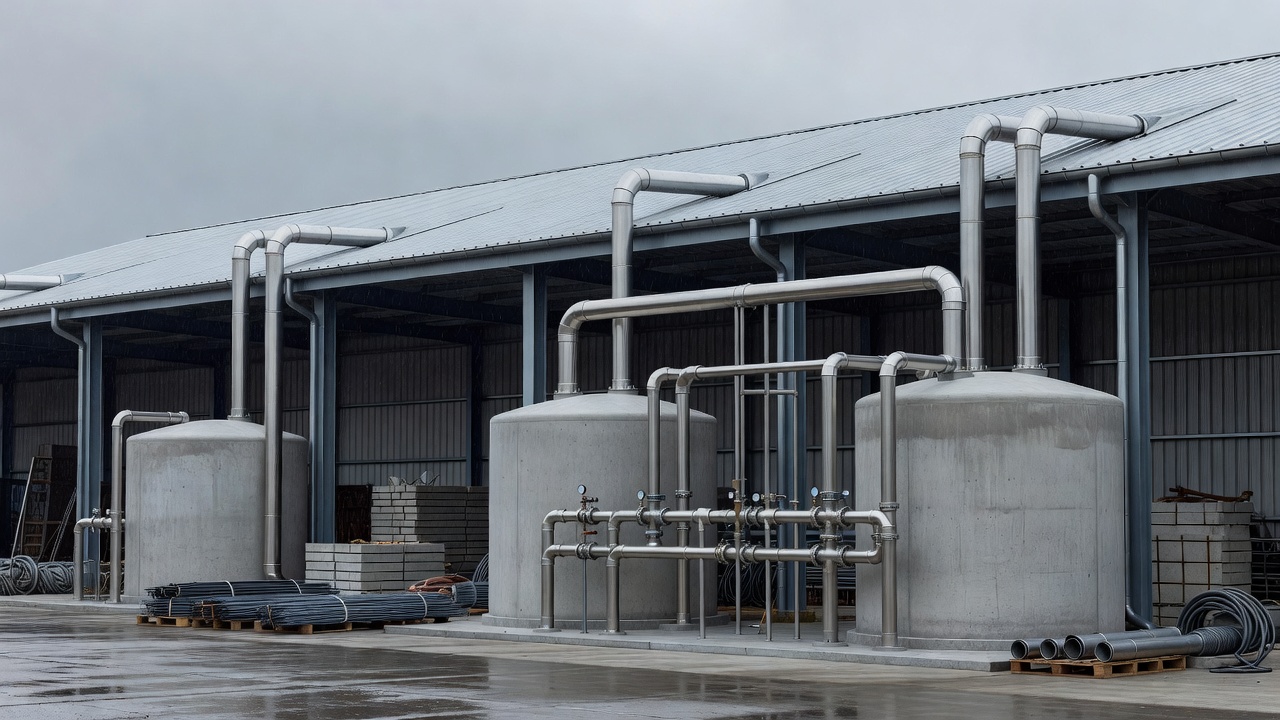
A well-designed rainwater harvesting industrial system involves several key components, each crucial for efficient operation. It typically begins with a collection surface, usually a factory rooftop, followed by gutters and downpipes that chael water into a pre-filtration system to remove larger debris. The water then flows into storage tanks, which can be above-ground or underground, sized according to the facility’s water demand and local rainfall patterns. Further treatment, such as filtration and disinfection, prepares the water for its intended industrial applications, which can range from cooling towers and process water to toilet flushing and landscape irrigation. This systematic approach is vital for effective rainwater collection system design, requiring careful plaing to maximize utility. Beyond conservation, these systems significantly reduce the strain on municipal water infrastructure and offer a reliable alternative during periods of water scarcity. They also play a crucial role in industrial water recycling efforts, integrating seamlessly into broader sustainability initiatives and contributing to a facility’s overall environmental stewardship.
Practical Tips for System Implementation
Implementing a successful rainwater harvesting system requires thoughtful plaing and execution. Consider these practical tips:
- Assess Demand and Supply: Accurately calculate your facility’s non-potable water needs and local rainfall patterns to size the system appropriately.
- Material Selection: Choose durable, non-toxic materials for collection surfaces, gutters, and storage tanks to ensure water quality.
- Pre-Filtration is Key: Incorporate robust first-flush diverters and leaf screens to minimize debris entering storage, reducing maintenance.
- Regular Maintenance Schedule: Establish a routine for cleaning gutters, tanks, and filters to maintain system efficiency and water quality.
- Professional Rainwater Collection System Design: Engage experienced engineers to ensure optimal system layout, compliance with regulations, and long-term reliability.
Rainwater Harvesting vs. Traditional Water Sources
Understanding the distinct advantages of rainwater harvesting requires a comparative look at traditional water sources. This table highlights key differences, emphasizing why facilities are increasingly adopting sustainable alternatives for water management.
| Feature | Rainwater Harvesting | Municipal Water Supply |
|---|---|---|
| Source | On-site precipitation | Centralized utility |
| Availability | Dependent on rainfall | Consistent, but susceptible to shortages |
| Environmental Impact | Reduces runoff, conserves resources | Higher energy for treatment/distribution |
| Control | Greater operational independence | External control, tariffs |
Frequently Asked Questions
What industrial applications are suitable for harvested rainwater?
Harvested rainwater, after appropriate treatment, is ideal for numerous non-potable industrial uses. These include cooling tower make-up water, process water for manufacturing, vehicle washing, toilet flushing, landscape irrigation, and fire suppression systems. The required level of treatment depends entirely on the specific application’s quality standards.
How does rainwater harvesting contribute to a facility’s overall sustainability goals?
Integrating rainwater harvesting industrial systems significantly boosts sustainability. It reduces reliance on potable water sources, conserves energy associated with water treatment and pumping, and minimizes stormwater runoff, protecting local ecosystems. This also directly supports industrial water recycling initiatives, fostering a closed-loop approach to resource management.
What are the primary challenges in implementing a stormwater management factory system?
Key challenges include ensuring adequate storage capacity for peak rainfall events, managing potential contaminants from collection surfaces, and adhering to local regulations. Effective stormwater management factory systems require careful plaing for filtration, overflow, and integration with existing infrastructure. Professional design can mitigate these complexities.
Conclusion
Implementing rainwater harvesting industrial systems offers a strategic pathway to operational resilience and resource independence for modern facilities. These systems secure a sustainable water supply, manage stormwater effectively, and enhance an organization’s environmental footprint. Trimulia Bangun Persada, a leader in industrial construction, designs and builds infrastructure meeting these evolving demands. Ready to optimize your facility’s water management? Visit our services page for comprehensive design-build solutions.