
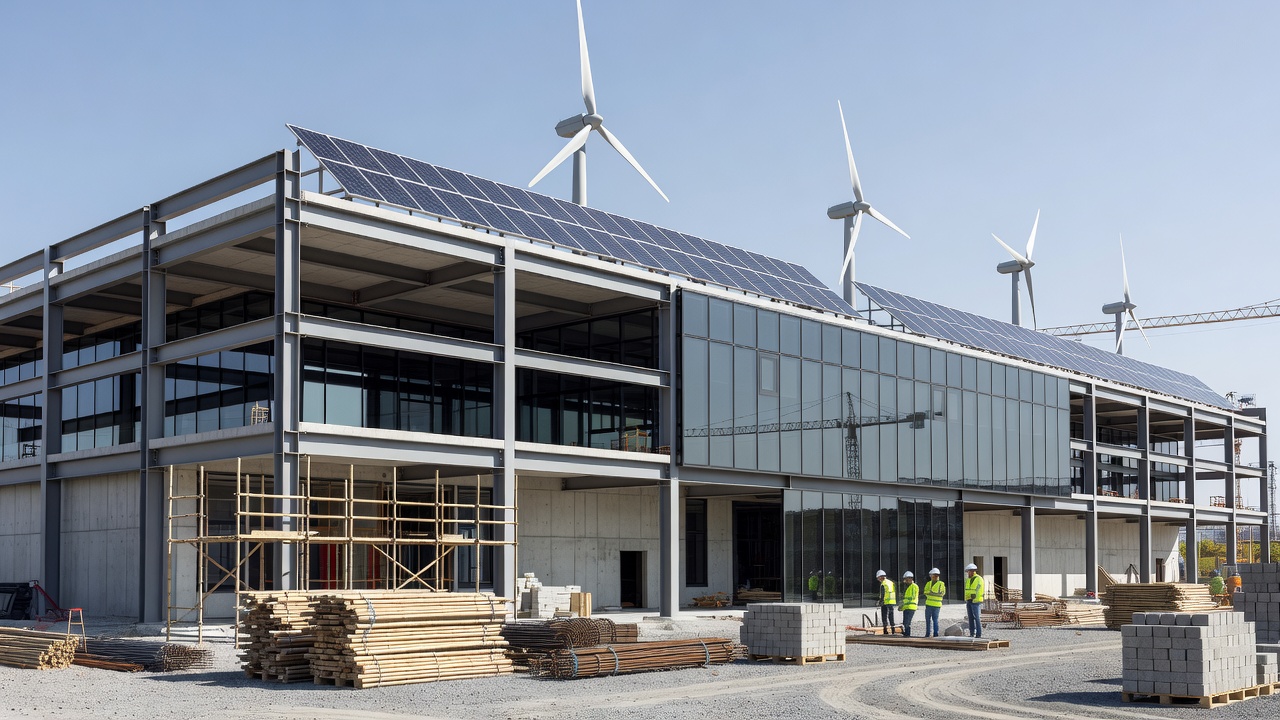
Energy-Efficient Factory Design: Sustainable Engineering Strategies
What if your next industrial facility could significantly reduce its operational footprint while enhancing productivity and stakeholder value? For forward-thinking decision makers, the imperative to build sustainably is no longer an option but a strategic necessity. An energy-efficient factory design represents a powerful investment in long-term operational resilience and environmental stewardship. At PT. Trimulia Bangun Persada, we understand the complexities involved in creating industrial spaces that are not only robust and functional but also optimize resource consumption. We integrate advanced engineering principles to deliver facilities that meet today’s demands and anticipate tomorrow’s challenges, ensuring lasting value for your enterprise.
Detailed Guide: Implementing Sustainable Engineering Strategies
Achieving true energy-efficient factory design involves a holistic approach, moving beyond simple component upgrades to integrate synergistic strategies from the ground up. This begins with the building envelope, where optimized insulation, high-performance glazing, and strategic shading minimize unwanted heat gain and loss, significantly reducing reliance on mechanical heating and cooling. Implementing principles of passive cooling industrial building design, such as natural ventilation systems that leverage prevailing winds, stack effect chimneys to draw hot air upwards, and cool roof technologies, can dramatically lower cooling requirements, particularly vital in Indonesia’s tropical climate. Furthermore, the selection of high-efficiency HVAC systems, incorporating advanced controls, is paramount. Smart lighting solutions with daylight harvesting capabilities, coupled with LED technology, drastically cut electricity consumption. Integrating renewable energy sources like rooftop solar photovoltaics not only reduces grid dependency but also fosters energy independence. Every design decision, from material selection to advanced system integration, contributes to comprehensive factory energy optimization, delivering substantial long-term operational savings and a significantly reduced carbon footprint.
Practical Tips for Enhanced Efficiency
Implementing practical strategies is key to realizing a truly efficient facility, ensuring operational savings and environmental responsibility.
- Optimize Natural Light: Design with ample windows, strategically placed skylights, and interior light shelves to maximize daylight penetration, significantly reducing artificial lighting needs and supporting overall factory energy optimization.
- Embrace Passive Ventilation: Utilize carefully designed louvers, vents, and building orientation to facilitate natural cross-ventilation and allow for effective passive cooling industrial building strategies, thereby minimizing reliance on energy-intensive mechanical cooling.
- Invest in Smart Building Controls: Implement automated systems for HVAC, lighting, and machinery to dynamically adjust usage based on occupancy, daylight availability, and precise operational schedules, preventing energy waste.
- Select High-Performance Materials: Choose insulation, roofing, and wall systems with superior thermal properties to create a robust building envelope that effectively resists unwanted heat transfer, maintaining stable internal temperatures.
- Integrate Renewable Energy: Explore on-site solar power generation, such as rooftop photovoltaic arrays, to offset grid electricity consumption, providing a clean, sustainable energy source directly for your factory operations.
Energy-Efficient vs. Traditional Factory Design
Understanding the tangible benefits of modern approaches is crucial. This table illustrates the fundamental differences and clear advantages of an energy-efficient factory design compared to conventional construction methods, highlighting long-term operational and environmental gains.
| Feature | Traditional Factory Design | Energy-Efficient Factory Design |
|---|---|---|
| Energy Consumption | High, heavy reliance on grid power | Low, optimized systems, renewable integration |
| Operational Costs | Higher long-term utility bills | Significantly reduced utility bills |
| Environmental Impact | Larger carbon footprint | Reduced emissions, enhanced sustainability |
| Indoor Comfort | Variable, often reliant on mechanical HVAC | Consistent, enhanced by passive strategies |
Frequently Asked Questions
What are the primary benefits of an energy-efficient factory design?
The primary benefits include substantial reductions in operational costs due to lower energy consumption, improved indoor environmental quality for employees, reduced carbon footprint contributing to corporate social responsibility, and enhanced long-term asset value. These facilities often qualify for various certifications.
How can an existing factory improve its energy efficiency?
Existing factories can significantly improve efficiency through an energy audit factory assessment. This identifies specific areas for improvement, such as upgrading to LED lighting, optimizing HVAC systems, improving insulation, sealing air leaks, and integrating smart controls. Small changes can yield considerable savings.
Is an energy-efficient factory design more expensive to build initially?
While an energy-efficient factory design might involve a slightly higher upfront investment for specialized materials or systems, this initial cost is typically offset by rapid payback periods through dramatically lower operating expenses. The long-term financial returns, coupled with environmental benefits, make it a highly cost-effective choice.
Conclusion
Investing in an energy-efficient factory design is a strategic decision that pays dividends in operational savings, environmental responsibility, and enhanced brand reputation. As Indonesia’s industrial landscape evolves, facilities that prioritize sustainability will lead the way. PT. Trimulia Bangun Persada is your trusted partner in realizing these future-forward visions. Explore how our expertise can transform your next industrial project into a beacon of efficiency and sustainability.
Learn more about our design-build expertise at trimuliabp.com/design-build-contractor/.