
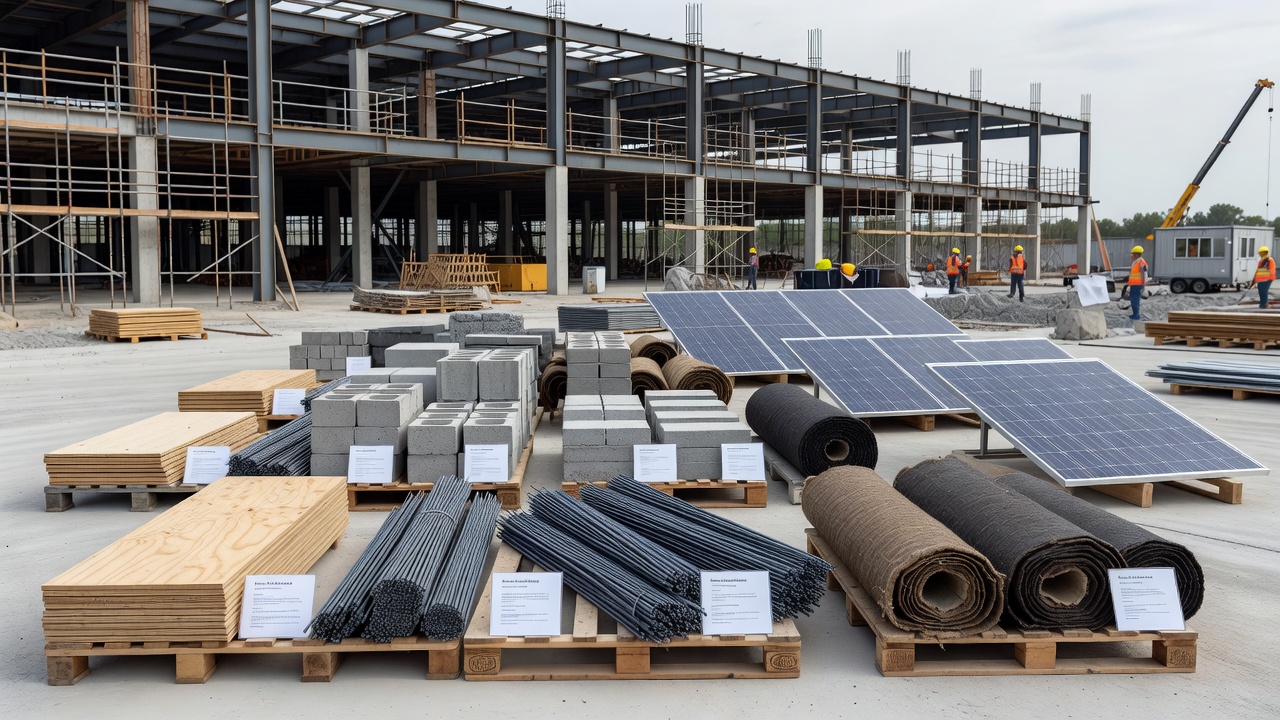
Green Building Materials for Industrial Construction: A Comparison Guide
What if your next industrial facility could not only perform exceptionally but also actively contribute to a healthier planet and offer long-term operational advantages? The landscape of industrial construction is evolving, with a clear imperative for sustainability. Forward-thinking organizations are recognizing that integrating green building materials industrial is no longer an optional add-on but a strategic investment. These materials offer tangible benefits, from reduced environmental impact to enhanced energy efficiency and improved occupant well-being. At PT. Trimulia Bangun Persada, we understand the critical role these choices play in shaping the future of industrial infrastructure.
Detailed Guide to Sustainable Industrial Materials
The selection of sustainable construction materials forms the bedrock of any eco-conscious industrial project. Beyond traditional options, a new generation of resources provides robust performance with significantly lower environmental footprints.
Recycled Steel Construction: Steel, a cornerstone of industrial frameworks, becomes even more compelling when sourced from recycled content. Recycled steel reduces energy consumption and greenhouse gas emissions by up to 75% compared to virgin steel production. Its strength, durability, and infinite recyclability make it a premier choice for large-scale structures, contributing to a circular economy.
Eco-Friendly Concrete Alternatives: Traditional concrete production is carbon-intensive. However, iovations like fly ash, ground granulated blast-furnace slag (GGBS), or even geopolymer concrete offer powerful eco-friendly concrete alternatives. These supplementary cementitious materials (SCMs) reduce the need for virgin cement, enhancing durability and often improving workability.
Engineered Wood Products: For certain industrial applications, especially non-load-bearing elements or interior fit-outs, responsibly sourced engineered wood (like cross-laminated timber or glulam) offers a renewable, carbon-sequestering option.
Low-VOC Paints and Coatings: Indoor air quality is paramount. Specifying low volatile organic compound (VOC) paints and coatings minimizes harmful emissions, creating healthier environments for workers. These green building materials industrial solutions are designed for longevity and performance, aligning with the demanding requirements of industrial facilities.
Practical Tips for Adopting Green Materials
Integrating green building materials effectively requires thoughtful plaing and execution. Consider these practical tips for your next industrial project:
- Early Material Assessment: Begin evaluating sustainable construction materials during the initial design phase to maximize integration opportunities.
- Supplier Verification: Partner with suppliers who provide transparent documentation on material sourcing, recycled content, and environmental product declarations (EPDs).
- Lifecycle Analysis: Conduct a lifecycle assessment (LCA) to understand the full environmental impact of chosen materials, from production to disposal.
- Waste Reduction Strategies: Implement comprehensive waste management plans on-site to minimize material waste and maximize recycling efforts.
- Performance Metrics: Establish clear performance metrics for green materials to monitor their effectiveness in energy efficiency and long-term durability.
Material Comparison Snapshot
| Material | Key Benefit | Primary Application |
|---|---|---|
| Recycled Steel | High recycled content, strength, durability | Structural frameworks, large spans |
| Eco-Friendly Concrete | Reduced carbon footprint, enhanced durability | Foundations, slabs, walls |
| Engineered Wood | Renewable, carbon sequestration | Non-load-bearing walls, interior elements |
| Low-VOC Paints | Improved indoor air quality | Interior finishes, protective coatings |
Frequently Asked Questions About Green Industrial Construction
Are green building materials as durable as traditional options?
Absolutely. Modern green building materials, including recycled steel construction and eco-friendly concrete alternatives, are rigorously tested to meet or exceed industry standards for strength, longevity, and performance. Many even offer enhanced properties like improved thermal resistance or greater resistance to corrosion, ensuring the structural integrity and operational efficiency required for demanding industrial environments.
How do green building materials impact project timelines?
The impact on project timelines is generally minimal and often positive. Many sustainable construction materials are designed for efficient installation. For instance, prefabrication with recycled steel components can significantly speed up assembly. Proper plaing and working with experienced industrial contractors like Trimulia ensure seamless integration without delays.
Can existing industrial facilities be retrofitted with green materials?
Yes, retrofitting existing industrial facilities with green building materials industrial is a highly effective strategy for improving sustainability and operational performance. This can involve upgrading insulation with recycled content, replacing outdated HVAC systems, or applying low-VOC coatings. A thorough assessment can identify the most impactful and feasible upgrades for your specific facility.
Conclusion
Embracing green building materials industrial represents a forward-thinking approach to industrial development. It’s about constructing facilities that are not only robust and efficient but also environmentally responsible and future-proof. By choosing sustainable construction materials, decision-makers invest in long-term value, operational resilience, and a positive legacy. PT. Trimulia Bangun Persada is your trusted partner iavigating these opportunities, delivering industrial construction solutions that align with your sustainability objectives. Discover how our expertise can transform your next project by visiting trimuliabp.com/design-build-contractor/.